
Part 2: Sequential vs. Blended vs. Cyclical: Which Drawdown Strategy Fits?
A practical comparison of sequential, blended, and dynamic retirement drawdown strategies — and how taxes, healthcare, and RMD pressure change the answer.
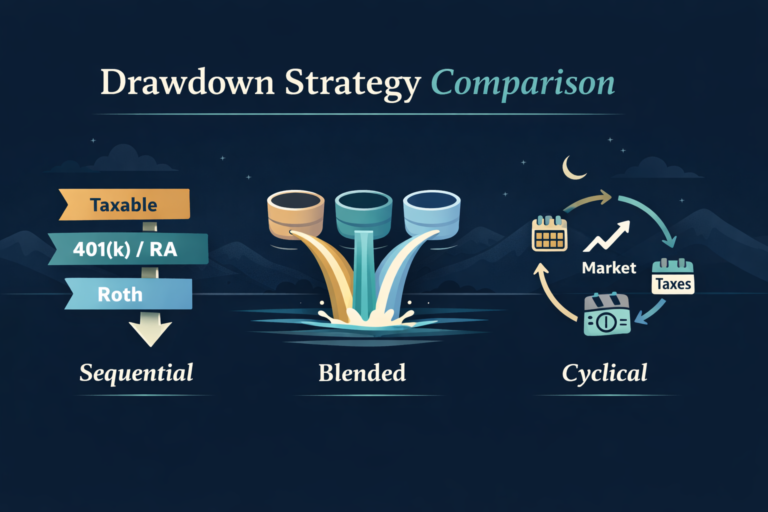
A practical comparison of sequential, blended, and dynamic retirement drawdown strategies — and how taxes, healthcare, and RMD pressure change the answer.
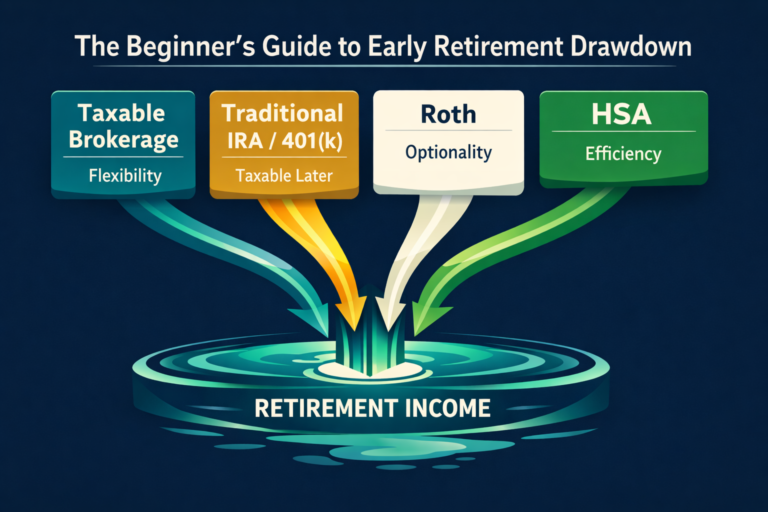
A plain-English guide to turning FI assets into retirement income: account buckets, simple withdrawal order, sequence risk, and why drawdown needs a system.
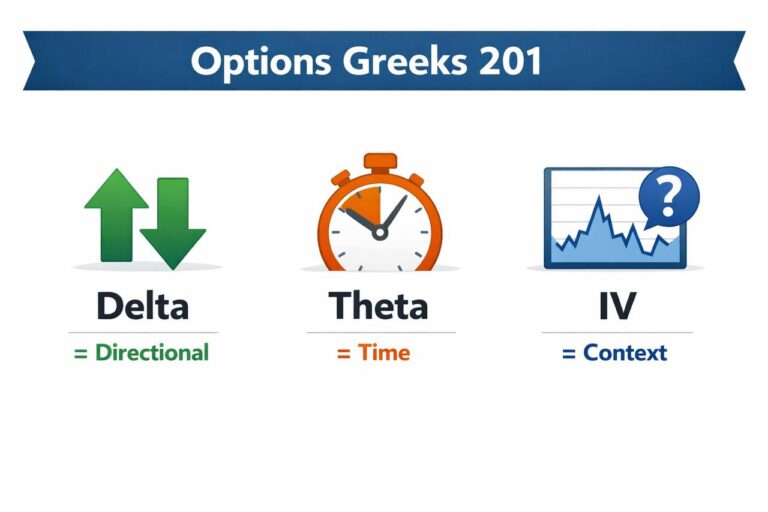
A practical 201 guide to reading Delta, Theta, and IV before selling premium, with a 4-point pre-trade checklist.

A beginner-friendly guide to selling puts, assignment, cash-secured puts, the wheel strategy, and covered calls — with clear examples, risk-first explanations, official references, and pre-trade checklists.
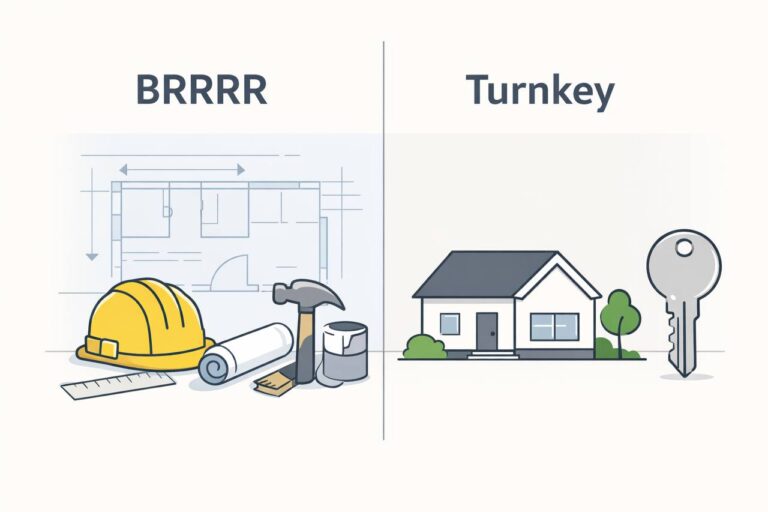
BRRRR and turnkey are not competing versions of the same strategy. They solve different problems, and the better fit depends on your time, capital, skill stack, and tolerance for friction.
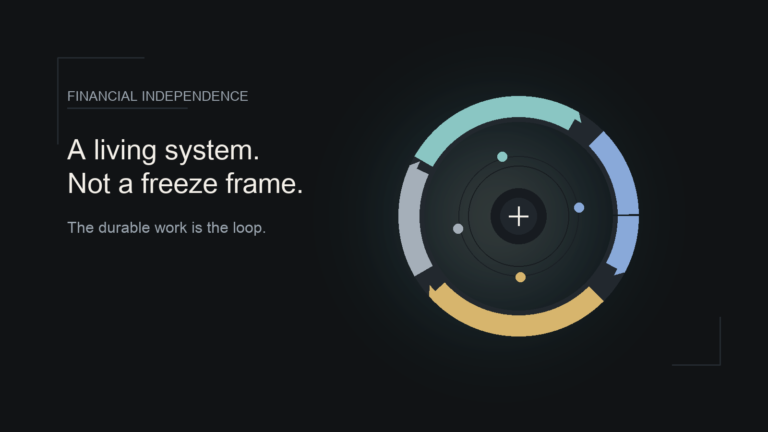
Financial independence gets more durable when you stop treating FI as a static number and start treating it as a repeatable control loop that catches drift, protects optionality, and keeps your financial system aligned with real life.

An index fund is a building block, not a full investing strategy. What matters more is the mix: what the fund holds, how it is weighted, and whether it actually fits the rest of your portfolio.
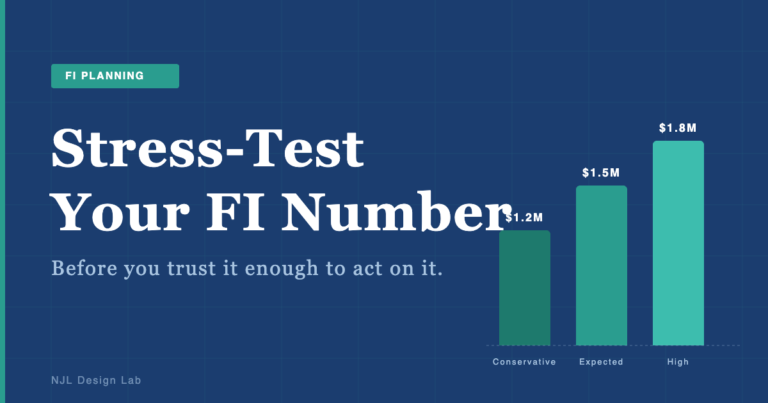
Your FI number can look precise while still being unreliable. Here is how to stress-test the assumptions underneath it — spending, withdrawal, and timing — before you trust it enough to act.
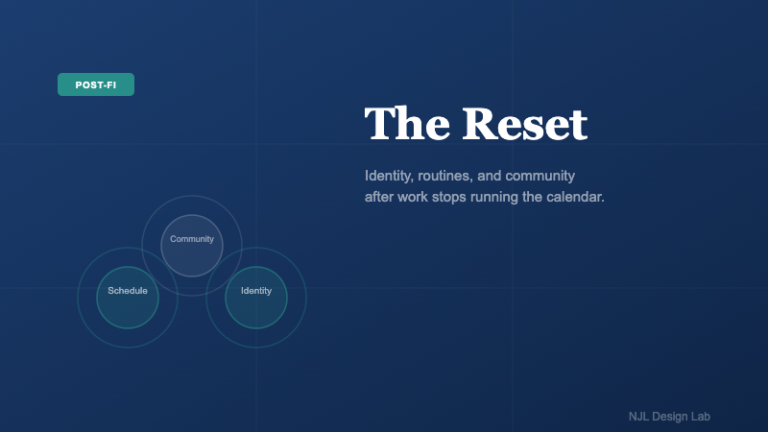
Most FI conversations stop at the number. How much do you need? When can you stop? How do you know it is enough? That part matters. But it is not the whole transition. For many people, the harder shift comes after the money question is mostly solved. Work no longer runs the calendar. The old…